
When to turn off heat in spring is a question many homeowners ask as the warmer season approaches.
Why is timing important when turning off the heat? And what spring heating mistakes do many homeowners make? Find all the answers by reading our piece below.
When To Turn Off Heat In Spring?
Although there’s no exact date to turn off the heat in spring, February is a great time to start preparing.
In Pittsburgh, February is still a cold month, with temperatures averaging 42°F (6°C) / 24°F (-4°C), and the last freeze at 32°F or below is in late April. Therefore, many Pittsburgh homeowners keep the heat on through early April and start tapering off towards the end of April.
What Outdoor Temperatures Signal It’s Time To Turn Off The Heat?
In general, when the outdoor temperature is consistently at 55–60°F (13–16°C), it’s a good time to start easing off on the heat.
At this temperature, your home can retain daytime heat well through the night. And at night, thermal mass and insulation keep indoor temps comfortable even if lows dip briefly into the 50s°F.
It is important to note that insulation plays a key role here. Well-insulated homes can go longer without heat than poorly insulated ones.
Why You Shouldn’t Turn Off Your Heat Too Early
While turning off the heat may seem like a good way to save on energy bills, turning it off too early can actually create several problems.
First, it’ll affect comfort. During months when temperatures can suddenly shift from warm to chilly, you may need to restart the heating system after turning it off completely.
This will delay the response while the system cycles back up, which can cause discomfort, especially if indoor temperatures drop quickly overnight. Constant, abrupt starts can also stress components, leading to inefficient operation and energy waste.
Secondly, a major risk of shutting it down early is moisture buildup and corrosion in the system due to high humidity. When the system sits idle during damp, humid periods, moisture buildup can slowly cause rust on metal parts, electrical issues, or mechanical component deterioration.
Lastly, spring is the ideal time for HVAC maintenance. When you turn it off, you miss the chance to spot small issues that can be detected effectively when it’s running occasionally.
How To Adjust Your Thermostat For Spring Weather
Instead of shutting off the heat completely and turning it back on when the weather gets chilly, a much better option is to make gradual adjustments with your thermostat.
By gradually adjusting the temperature as the climate warms, you allow the system to run more efficiently and at lower intensity, preventing components from overworking during transitional weather swings.
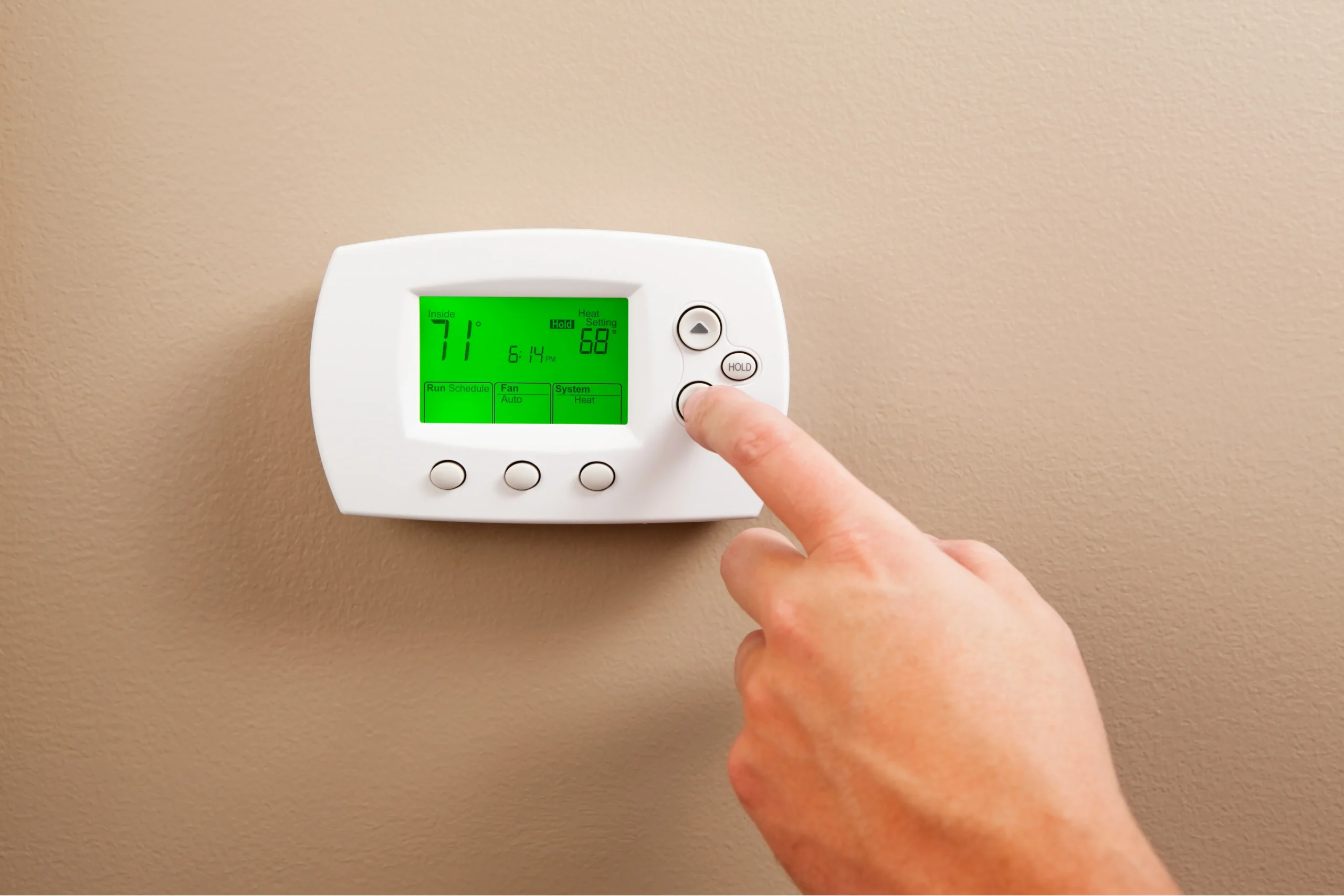
Adjust your thermostat by first monitoring the outdoor temperature and waiting until it gets consistent, as we’ve discussed earlier. Once consistency is achieved, gradually raise your thermostat’s heating setpoint. Increase it by 1–2°F every few days (or weekly) as the weather warms.
Another option is to turn on “auto” mode, which lets the system adjust the temperature as needed.
Recommended Thermostat Settings For Late Winter/ Early Spring
In late winter and early spring in Pittsburgh, temperatures can hover around 42°F in February/ 51°F in March, and 64°F in April, while lows stay chilly: 24°F (Feb), 31°F (Mar), 41°F (Apr). As a result, heating is still needed through much of this period.
For comfort in February, most set 68–70°F when home and awake, and 62–65°F at night, while sleeping. For early Spring (mid-March to April), a relatively comfortable indoor temperature is 70–72°F during the day and 65–68°F at night.
Can a Programmable or Smart Thermostat Help in Spring?
Programmable thermostats let you set daily/weekly schedules in advance, making the shift from heavy heating to occasional heating (and eventually cooling). For instance, set it to raise it during the day and auto-adjust based on occupancy/weather.
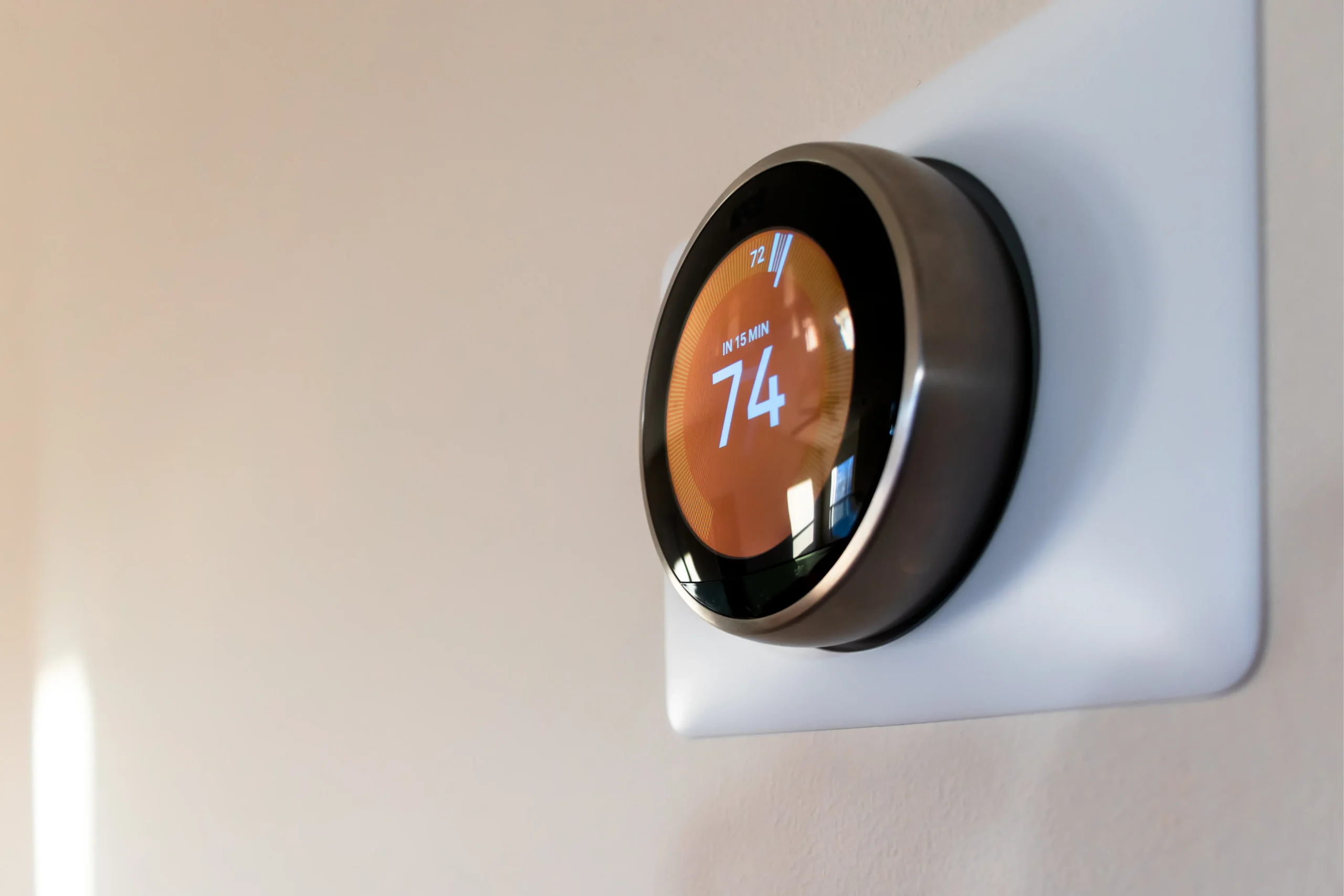
A smart thermostat can go beyond and deliver advanced features, such as learning algorithms that adapt to your personal habits, occupancy, and local weather patterns; weather integration pulls in forecasts to anticipate swings; and remote control via an app lets you adjust the temperature from anywhere.
All these abilities and technologies for optimizing temperature based on current conditions prevent energy waste from ineffective operational decisions.
Signs You’re Ready To Turn Off Your Heat For The Season
If you can already feel comfortable with natural warmth and ventilation, and can maintain indoor comfort without mechanical help, this is a good sign that your home is ready to turn off the heat. However, it’s always a good idea to stay updated on the weather forecast, as temperature swings can still occur in transition months.
Should You Turn Off Your Furnace Completely?
When your home is slowly ready to rely on natural warmth, it’s recommended that you not turn off your furnace completely in spring. This is due to what we discussed earlier: preventing discomfort during surprise cold snaps and preventing moisture from corroding the system’s components. Turning off completely would make more sense in definite warm seasons, such as summer.
Benefits Of Turning Off Your Heat On Time
Turning off your heat on time offers several benefits:
Save Money on Utility Bills
Eliminating unnecessary furnace runtime directly cuts heating costs. In Pittsburgh, where the heating season normally lasts from October to April, even a few more weeks of occasional use add up. In transitional spring weather, avoiding unintentional heating (e.g., lowering the thermostat) saves gas and electricity.
Reduce Energy Consumption and Environmental Impact
Turning off the heat when not needed directly reduces unnecessary energy use, thereby lowering consumption and emissions. By relying on passive warmth, insulation, and ventilation rather than mechanical heating, you promote efficiency and reduce your carbon footprint, supporting sustainable practices.
Common Spring Heating Mistakes Homeowners Make
Due to fear of a surprise chill, many homeowners adopt a “just in case” habit, keeping the thermostat at the setpoint (like 68°F) well into milder weather. This can become a problem because even on days with highs in the 60s–70s°F, the furnace runs unnecessarily during cooler mornings or evenings, wasting energy and inflating bills. It also stresses the system with frequent short cycles. What you’ll get is heating when natural warmth and insulation could do the job well.
Another mistake that homeowners often make is forgetting to adjust thermostat schedules. As a result, it can cause issues such as overheating on warmer afternoons or unnecessary runtime on pleasant days when you’re away. This could cause discomfort and wasted energy.
Delaying HVAC maintenance until summer is a mistake that all homeowners should avoid. After the cold winter months, your system has been working tirelessly, which can lead to issues such as dirty filters, loose parts, and wear and tear.
And during Spring, which can be humid, moisture can accelerate corrosion if the furnace sits unused without prep. Don’t wait until summer, and book your spring tune-up to prevent costly HVAC problems.
Frequently Asked Questions
What month do most people turn off their heat in Pittsburgh?
Most people in Pittsburgh turn off their heat in late April or May, when the weather becomes consistent.
Should You Use Auto Mode On Your Thermostat In Spring?
Yes. Auto mode automatically switches between heat and cool as needed, without manual adjustment. It’ll help prevent unnecessary heating, save energy, and maintain comfort without constant adjustments. Auto mode works best from March to late April or May.
Is it okay to turn the heat back on after you’ve turned it off?
Yes. You can turn the heat back on after turning it off. However, repeated on-and-off cycles can stress the system.
Should I turn off my heat during the day and back on at night?
Not recommended. Better to use a higher setpoint or to run in auto mode all day. Repeatedly turning the system on and off stresses the system and wastes energy during restarts. Lower slightly at night if needed, but gradual/programmed adjustments are a better option.
Do I need an HVAC tune-up if my heat worked fine all winter?
Yes, a spring tune-up is still necessary even though your heat worked fine throughout winter. This is because winter use causes dust buildup, wear on parts, and potential minor issues that go unnoticed. Spring checks can catch problems early, improve efficiency, and prevent future breakdowns.
Conclusion
When it comes to turning your heat off in Spring, timing is crucial. Since temperatures do not consistently warm during the transition months, heating will still be needed to prevent sudden temperature drops, and the system would benefit from occasional runs to prevent moisture buildup on humid spring days.
The best way to turn off the heat in the spring is to do so gradually and use a programmable, smart thermostat. They help you set a daily schedule and automatically maintain the temperature as needed, saving energy and providing maximum comfort.
If you have any questions relating to HVAC or are in need of maintenance, inspections, or repairs, please don’t hesitate to contact Johnson’s Heating. We have the expertise to handle a range of HVAC-related issues.


Recent Comments