
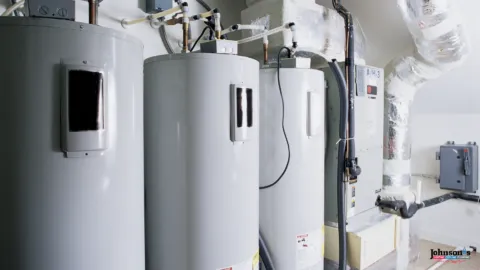
Finding out your electric water heater isn’t working is bad news for everyone in the house, and most electric water heater problems always seem to happen at the worst time. Who doesn’t want a nice, warm shower in the morning to start the day or at night after a long day? A well-working electric water heater is essential for any home in the U.S. today.
Electric water heater problems can be caused by many different issues, from heating element failure to thermostat malfunctions. Let’s look at these common causes and how you can detect and potentially solve them yourself.
Common Electric Water Heater Problems & Troubleshooting Tips
The most common issue with an electric water heater is not having the right temperature. With this type of problem, you only need to call a professional if the issue has become more significant.
So DIY diagnostic is an option. Water heater troubleshooting can be a very simple task that can save you money and time! However, please remember to shut off the power to the heater unit before you begin checking on your electric water heater yourself, and don’t work on it if there’s a pool of water near the appliance.
No Hot Water
 When your electric water heater lacks power or has a problem with the heating element, you’ll get no hot water.
To check if this is the case, go to the water heater’s circuit breaker to see if it has tripped. If it has, reset it by turning it off and on again.
If the breaker is still on, try to reset the high-temperature cutoff. To do this, turn off the circuit breaker to the water heater and then open up the panel, look for the red reset button and press it. If you still don’t have power, the issue might be with the temperature cutoff, one of the more common electric water heater problems that requires a professional.
The Water Is Too Hot
 When the water runs too hot, it’s most likely because your water heater’s thermostat is set too high. Another electric water heater troubleshooting tip is to check the thermostat settings.
Turn off the power to the unit and then go on to remove the access panel on your electric water heater. Next, check the heat setting on both the upper and lower thermostats.
The recommended settings for the two thermostats are around 120 degrees Fahrenheit. If it’s too high, you can adjust it down to your desired temperature. Once it’s completed, you can turn the power back on again.
The Water Isn’t Hot Enough
Are you finding that your water is not hot enough? This is one of the electric water heater problems homeowners notice most often. A way to troubleshoot your electric water heater is checking to see if the cause of inadequate hot water is usually an undersized water heater or broken heating elements.
You need a water heater that can cover all of the household’s hot water needs. If the demand exceeds the capacity, you’ll have inadequate hot water.
However, there are ways you can control your hot water distribution. For example, limiting your time in the shower and doing chores such as dishwashing and laundry at different times. Other ways, such as installing low-flow showerheads and faucets, are also helpful.
If you think your demand is within your water heater’s capacity, then the problem might lie in the heating elements. In this instance, contact your local water heater technician.
When Do You Need To Call A Professional?
If you’ve tried basic troubleshooting and still notice electric water heater problems, it may be time to call a professional. Some problems with your electric water heater are better dealt with by a professional because of their complexity and safety concerns.
The issues below are indications that you need to contact your local water technician as soon as possible. If these issues occur and you are in need of a replacement, it is important to look into what heating systems are going to be the most cost-effective in your home.
The Water Is Discolored And Smells Bad
When there’s corrosion inside your tank or a faulty anode rod, the water can come out brownish or yellowish and with a rotten smell. A foul odor can also mean bacteria in your water heater tank, which is obviously troublesome.
So in any of these cases, you want to call a professional that can help you figure it out and fix the problem. Typically, replacing the anode rod will solve the problem. However, if the issue turns out to be worse, you may have to buy a new electric water heater.
Leaks
 Leaking can be caused by many factors, and you certainly want someone with the expertise to handle it. This is because figuring out the source of the problem requires a good knowledge of this intricate appliance.
Causes of leaks can come from excessive pressure, overheating, a faulty T&P valve, a leaking tank, and many other electric water heater problems.
Water Tank Makes Too Much Noise
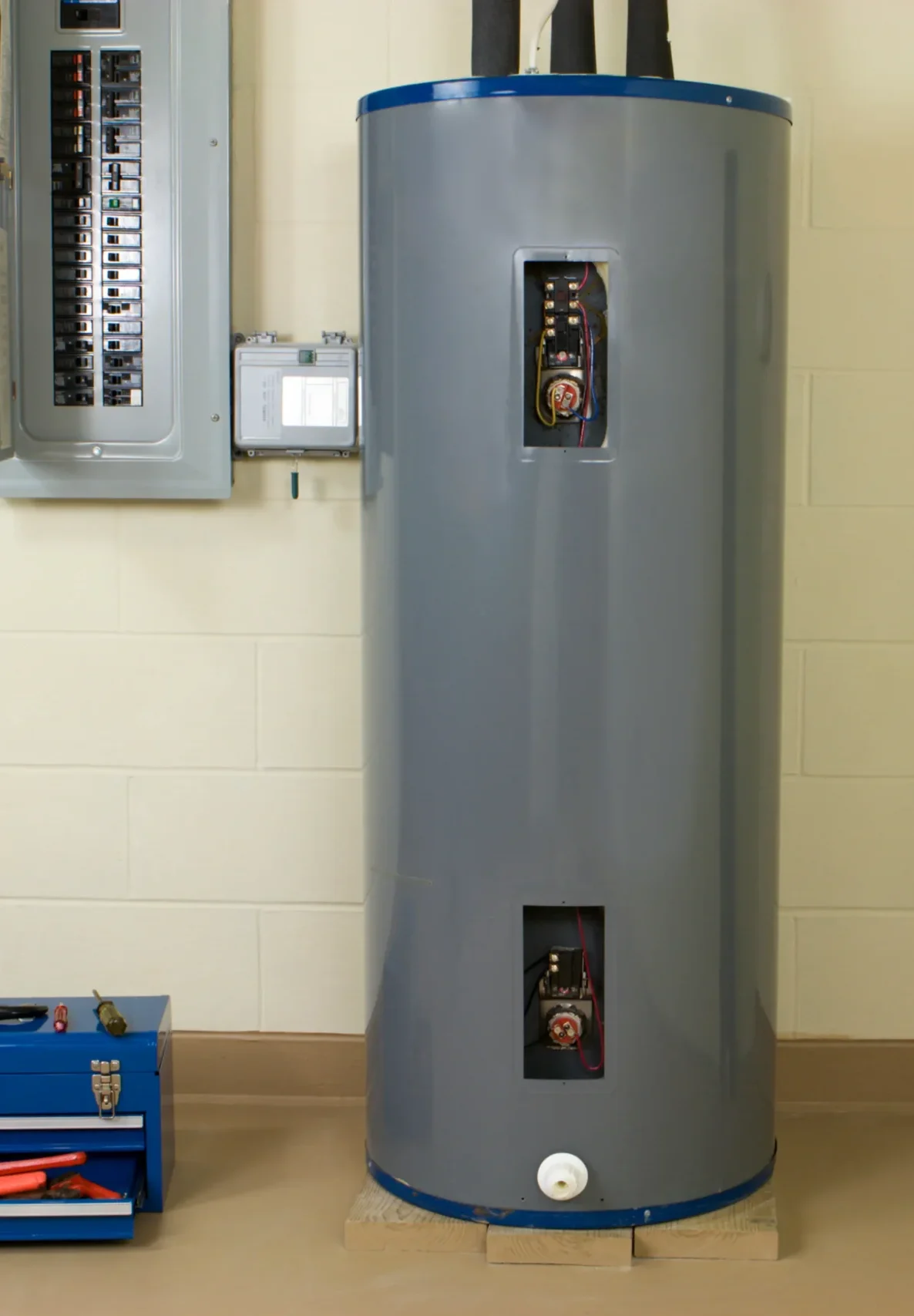 Too much noise from your electric water heater is usually a sign of sediment buildup in the water tank that can cause overheating or boiling of the water.
You can attempt to fix the problem by draining the tank’s water and getting rid of the sediment. However, if the noise persists or the sediment is too great, you’d want a technician to help you. Your technician can tell you if the issue can be fixed or if a replacement is needed.
FAQs
- What are the most common electric water heater problems?
Common issues include no hot water, inconsistent or too-hot water temperatures, strange noises, leaks, and discolored or foul-smelling water. Many of these problems are linked to faulty heating elements, thermostat issues, or sediment buildup.
- Why is my electric water heater not producing hot water?
This usually happens due to a tripped circuit breaker, a faulty high-temperature cutoff switch, or a failed heating element. Start by checking the breaker and reset button. If the unit still won’t heat, it’s time to call a technician.
- Why does my electric water heater make loud popping or rumbling noises?
These noises are typically caused by sediment buildup at the bottom of the tank. As the sediment heats up, it traps water and creates popping sounds. Flushing the tank may help, but heavy buildup often requires professional service.
- What does it mean if my hot water looks discolored or smells bad?
Brown, yellow, or foul-smelling water often indicates corrosion or bacteria inside the tank, or a failing anode rod. A technician can diagnose the source and replace the anode rod if needed.
End Note
Having a reliable water heater is key to having a comfortable home. Therefore, when there’s a problem with the appliance, it can be a headache to deal with. Electric water heater troubleshooting can help to fix smaller electric water heater problems quickly, but some issues turn out to be bigger than you initially thought.
This is where we come in! We at Johnson’s are here to make you feel at ease by offering to fix any issues you have with your water heater. So don’t hesitate to call us at Johnson’s, “we’re the good guys!”
Johnson’s Heating offers quality services, products, and more! We are the #1 Trane Dealer in Westmoreland County. To learn more about Johnson’s, please make sure to visit us and schedule your free consultation today!

Recent Comments