
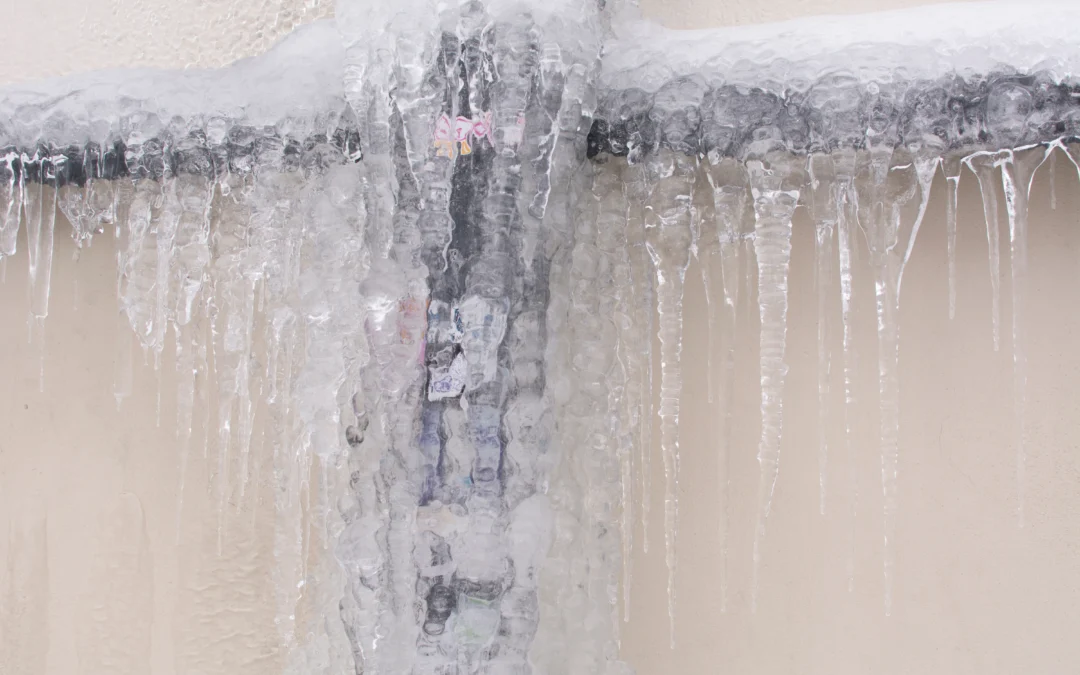
One of the difficulties of winter weather is the freezing temperature, which can damage various sections of the home, including the pipes. Homeowners often search for how to keep pipes from freezing, especially when temperatures drop quickly.
Frozen pipes can cause costly problems, such as pipe bursts and water damage. The good news is that there are effective preventive measures you can take to keep your pipes from freezing, your home secure, and your wallet intact. Keep reading to learn more about how to keep pipes from freezing.
What Causes Pipes To Freeze?
Sudden Drops In Temperature
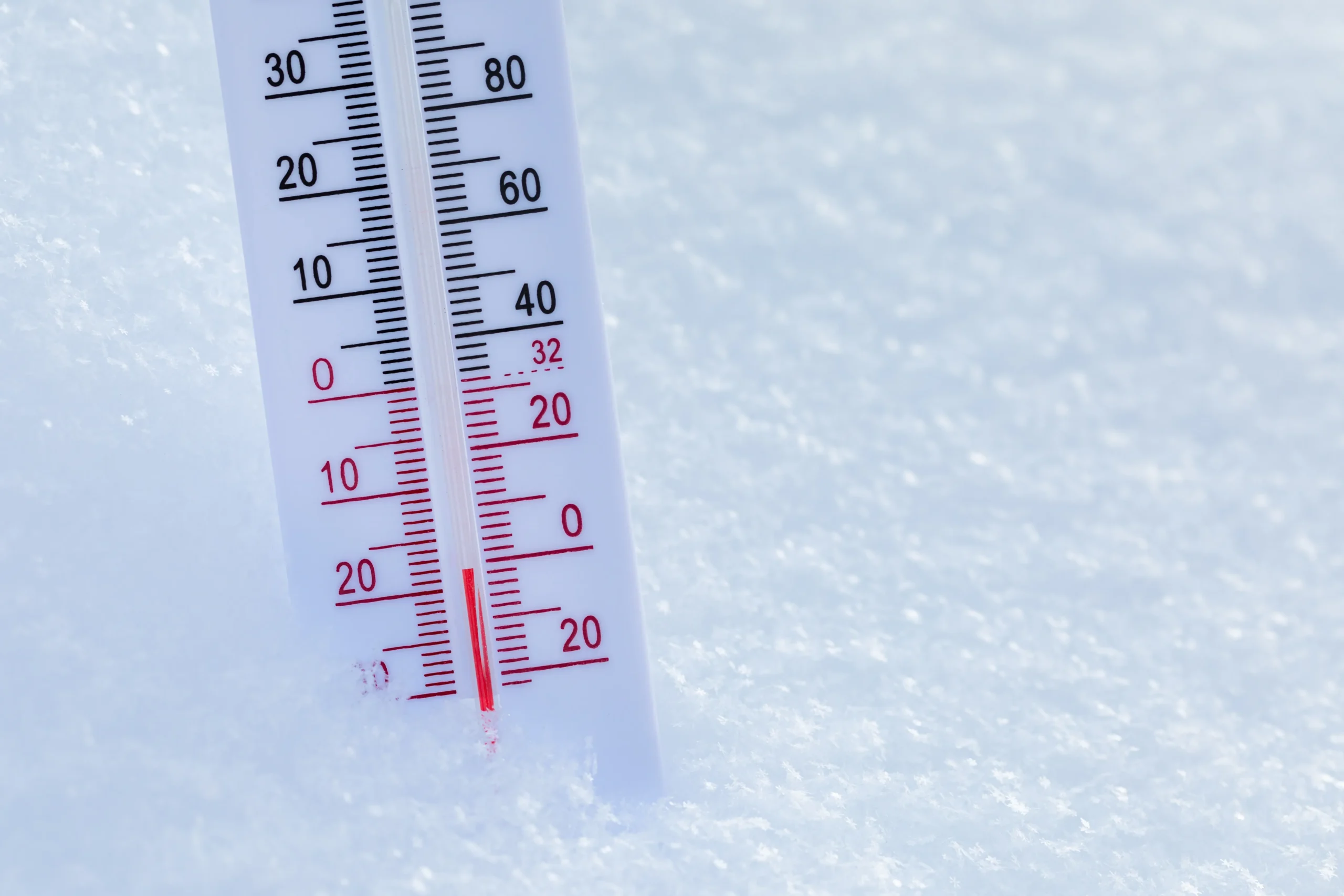
Pipes freeze when water inside them drops below 32°F (0°C), turning to ice and expanding. This can happen during sudden temperature drops, especially below 20°F (-7 °C), along with cold wind that pushes cold air through the small gaps, catching pipes off guard and causing them to freeze. Understanding these conditions is key when learning how to keep pipes from freezing.
Poor Insulation Or Exposure
When pipes are located in an area with poor insulation, they’re prone to freezing. For example, unheated spaces like attics and exterior walls, as well as zones that experience drafts from leaks around wiring, vents, or cracks, are exposed to the cold, resulting in freezing air and increasing the risk of pipes freezing. Improving insulation is one of the most effective strategies for anyone researching how to keep pipes from freezing.
Long Periods of Low Indoor Heat
Leaving the thermostat too low (especially overnight or when away) allows indoor temperatures to drop, letting pipes freeze—even in milder climates. Pipes in kitchens, bathrooms, or along exterior walls don’t have much insulation, so they rely on the house staying reasonably warm to keep the water inside from turning solid.
How To Keep Pipes From Freezing: Top Prevention Tips
Keep Your Home Properly Heated
The general idea on how to keep pipes from freezing is to keep your home warm enough. Your indoor temperature shouldn’t go below 55°F (13°C) to maintain a safe minimum to prevent freezing. This is the simplest and most effective way to protect pipes from freezing.
Add Insulation to Vulnerable Pipes
The next critical step in preventing frozen pipes is to insulate them, particularly in exposed places like attics, crawl spaces, basements, and along exterior walls. Wrap vulnerable pipes with foam to help trap heat and keep the cold from entering.
Seal Drafts & Air Leaks
The cold air can slip in through cracks and gaps around windows, doors, and electrical outlets. Although it may seem minor, these cold-air leaks can, over time, make the room feel cooler, especially in winter—seal leaks with weatherstripping, caulk, or expanding foam.
Let Faucets Drip During Extreme Cold
When the climate gets super chilly, simply let the faucets drip to prevent freezing. This is because moving water is harder to freeze than still water. Turn on the faucet so the water trickles. You don’t need to turn it on too much and waste a lot of water.
Open Cabinet Doors For Better Air Flow
To let warm air circulate inside, open the cabinet doors overnight, especially under sinks on exterior walls. This tip is very low-effort but can yield high rewards when done consistently in combination with the other steps.
Disconnect Outdoor Hoses & Shut Off Exterior Faucets
This next step is crucial to do before the first freeze hits. Outdoor spigots are especially vulnerable to freezing, so you want to disconnect garden hoses, shut off exterior faucets, drain the line, and cover the faucet with an insulated bag or foam.
Use Thermostats For Consistent Heating
Use your thermostat and program it to maintain that steady 55°F+ minimum when you’re away or sleeping. The key isn’t to let big temperature drops occur and keep it consistent. As we’ve mentioned earlier, a sudden drop in temperature is one of the big culprits of freezing pipes.
What to Do If Your Pipes Are Already Frozen
How to Locate a Frozen Pipe
If the unfortunate event of a frozen pipe occurs, your first step should be to locate the trouble spots. Check the common areas, such as pipes along exterior walls, unheated spots like attics or crawl spaces, areas near garages, and under exterior-wall sinks. Look for signs like no water flow, reduced pressure, or frost/ice visible on the pipe.
Safe Methods to Thaw Pipes
Once you’ve found the spots, you want to thaw slowly and gently. Never use methods deemed extreme and dangerous, such as open flames, blowtorches, or anything that could start a fire. Instead, use hot towels and wrap them around the pipes; a portable space heater and aim the warm air towards the trouble spots; or a hair dryer on low/medium settings. Moreover, keep the faucet open so the water can flow as it thaws.
When to Call a Professional
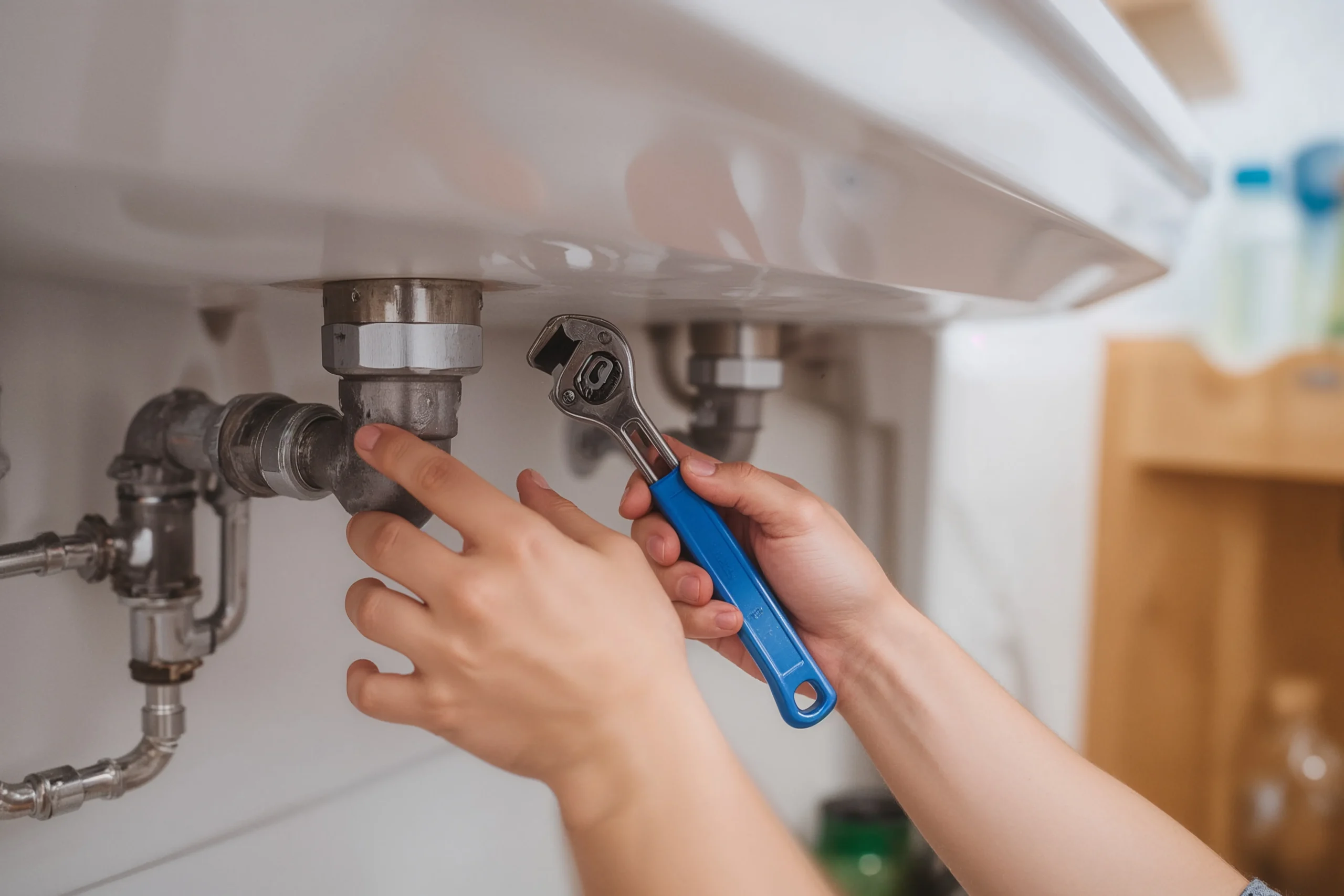
If you can’t find the trouble areas or the pipe’s location is hard to reach, or the self-thawing process isn’t working, it’s time to call in the professional. Beyond knowledge and skills, professional technicians have the proper tools to deliver safe, effective resolutions. Furthermore, if you hear banging sounds or see any leaks, don’t wait; call immediately. Better to pay for a quick visit than deal with significant water damage and mold.
Long-Term Solutions to Avoid Frozen Pipes
The best way to prevent frozen pipes is to prepare by implementing long-term solutions, including upgrading materials, rerouting pipes, and upgrading heating and insulation, and to undergo whole-home winterization services from your trusted technicians.
Pipe Rerouting or Upgrading Materials
Rerouting pipes involves relocating lines from exterior walls, unheated attics, crawl spaces, or slabs to warmer interior areas where they’re less likely to freeze. Upgrade materials by swapping current ones for better options that handle cold much better, such as PEX (flexible plastic) or modern copper.
These fixes are an effective long-term solution– a set-it-and-forget-it type of protection.
Heating & Insulation Upgrades
One of the best defenses against the cold is heating and insulation. If you haven’t already, upgrade your insulation system to thicker, higher-quality pipe sleeves (closed-cell foam) on all exposed lines. Also, you can add electric heat trace cables/self-regulating heat tape that automatically turn on when temperatures drop. These wrap around pipes and keep them just warm enough without wasting energy.
Whole-Home Winterization Services
Fixing and upgrading yourself is a big task, considering all the materials, tools, and intricate steps to take. If you want an effective and time-efficient way to protect your house from the challenges of winter, have the pros come for a full winterization service. This typically includes inspecting everything—pipes, insulation, crawl spaces, attics—then insulating, sealing drafts, installing heat tape where needed, and even adding ventilation or dehumidifiers in damp areas.
Final Thoughts
Winter is a season where the weather can get harsh and create havoc, especially in and around the house. Frozen pipes are a common issue that many homeowners face during the winter. If preventive measures are not in place, costly damage and headaches are almost a guarantee. Prevent all the troubles and contact a professional, such as Johnson’s Heating, where our team of experts can effectively solve any issues you may have, including preventing frozen pipes and dealing with them if they occur. Don’t wait until it’s too late–contact us today!

Recent Comments